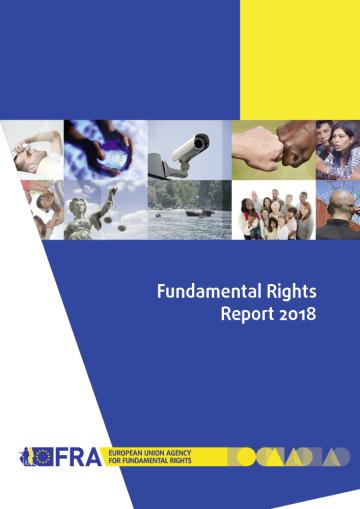
Across the European Union, people face hatred because of their skin colour, ethnicity, religion, gender or sexuality. In response, the EU and its Member States have introduced laws against hate crime and support services for victims. But these will only fulfil their potential if victims report hate-motivated harassment and violence to the police, and if police officers record such incidents as hate crimes. This report provides rich and detailed information on hate crime recording and data collection systems across the EU, including any systemic cooperation with civil society.
The year 2017 brought both progress and setbacks in terms of rights protection. The European Pillar of Social Rights marked an important move towards a more ‘social Europe’. But, as experiences with the EU Charter of Fundamental Rights underscore, agreement on a text is merely a first step. Even in its eighth year as the EU's binding bill of rights, the Charter's potential was not fully exploited, highlighting the need to more actively promote its use.
Pilsoniskās sabiedrības organizācijām Eiropas Savienībā ir būtiska nozīme pamattiesību veicināšanā, taču tām ir arvien grūtāk to darīt dažādu juridisku un praktisku ierobežojumu dēļ.
Lai arī problēmas ir visās ES dalībvalstīs, to būtība un apjoms atšķiras. Kopumā trūkst datu un pētījumu par šo tēmu, tostarp salīdzinošu pētījumu.
Tāpēc FRA ziņojumā tiek aprakstītas dažādu veidu problēmas, ar ko saskaras pilsoniskās sabiedrības organizācijas, kuru darbs ir saistīts ar cilvēktiesību aizsardzību ES. Tajā ir izcelta arī daudzsološa prakse, kas var palīdzēt neitralizēt šīs satraucošās tendences.
Eiropas diskriminācijas novēršanas tiesību akti, jo īpaši ES diskriminācijas novēršanas direktīvas, un Eiropas Cilvēktiesību konvencijas 14. pants un Protokols Nr. 12 aizliedz diskrimināciju dažādos kontekstos un dažādu pamatu dēļ. Šajā rokasgrāmatā Eiropas diskriminācijas novēršanas tiesības, kas izriet no šiem abiem avotiem, ir aplūkotas kā savstarpēji papildinošas sistēmas, tās izmantojot kā savstarpēji aizstājamas, ciktāl tās pārklājas, vienlaikus uzsverot atšķirības, ja tādas pastāv.
Seventeen years after adoption of EU laws that forbid discrimination, immigrants, descendants of immigrants, and minority ethnic groups continue to face widespread discrimination across the EU and in all areas of life – most often when seeking employment. For many, discrimination is a recurring experience. This is just one of the findings of FRA’s second European Union Minorities and Discrimination Survey (EU-MIDIS II), which collected information from over 25,500 respondents with different ethnic minority and immigrant backgrounds across all 28 EU Member States.


 Report / Paper / Summary7July2021
 Report / Paper / Summary21June2018