






Ο παρών οδηγός εξηγεί τι είναι η κατάρτιση προφίλ, τα νομικά πλαίσια που τη διέπουν και τον λόγο για τον οποίο η νόμιμη κατάρτιση προφίλ δεν είναι μόνο απαραίτητη για τη συμμόρφωση με τα θεμελιώδη δικαιώματα, αλλά και καίριας σημασίας για την αποτελεσματική αστυνόμευση και διαχείριση των συνόρων. Ο οδηγός παρέχει επίσης πρακτικές οδηγίες σχετικά με τρόπους αποφυγής της παράνομης κατάρτισης προφίλ στο πλαίσιο αστυνομικών επιχειρήσεων και επι-χειρήσεων διαχείρισης των συνόρων.

Η έκθεση του FRA σχετικά με την τεχνητή νοημοσύνη και τα θεμελιώδη δικαιώματα παρουσιάζει συγκεκριμένους τρόπους με τους οποίους οι εταιρείες και οι δημόσιες διοικητικές αρχές στην ΕΕ χρησιμοποιούν, ή προσπαθούν να χρησιμοποιήσουν, την ΤΝ. Η παρούσα σύνοψη περιέχει τα βασικά σημεία της έκθεσης. Οι εν λόγω πληροφορίες μπορούν να αποτελέσουν τη βάση για τη χάραξη πολιτικής σε ενωσιακό και εθνικό επίπεδο σχετικά με τη χρήση εργαλείων ΤΝ που σέβονται τα ανθρώπινα και τα θεμελιώδη δικαιώματα.
Artificial intelligence (AI) already plays a role in deciding what unemployment benefits someone gets, where a burglary is likely to take place, whether someone is at risk of cancer, or who sees that catchy advertisement for low mortgage rates. Its use keeps growing, presenting seemingly endless possibilities. But we need to make sure to fully uphold fundamental rights standards when using AI. This report presents concrete examples of how companies and public administrations in the EU are using, or trying to use, AI. It focuses on four core areas – social benefits, predictive policing, health services and targeted advertising.
This report presents findings from FRA’s 2019 survey on Roma and Travellers in Belgium, France, Ireland, the Netherlands, Sweden and the United Kingdom. The survey included interviews with almost 4,700 Roma and Travellers, collecting information on more than 8,200 individuals living in their households.
Almost twenty years after adoption of EU laws forbidding discrimination, people of African descent in the EU face widespread and entrenched prejudice and exclusion. This report outlines selected results from FRA's second large-scale EU-wide survey on migrants and minorities (EU-MIDIS II) carried out in 2016. It examines the experiences of almost 6,000 people of African descent in 12 EU Member States.
We live in a world of big data, where technological developments in the area of machine learning and artificial intelligence have changed the way we live. Decisions and processes concerning everyday life are increasingly automated, based on data. This affects fundamental rights in various ways. This focus paper specifically deals with discrimination, a fundamental rights area particularly affected by technological developments.
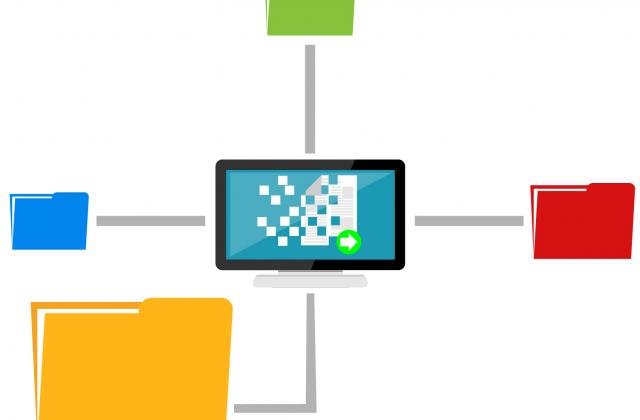
This Opinion by the European Union Agency for Fundamental Rights (FRA) aims to inform the European Parliament position concerning legislative proposals on interoperability between EU information technology systems (IT systems) presented on 12 December 2017 and currently discussed by the EU legislators.
This report outlines the fundamental rights implications of collecting, storing and using
biometric and other data in EU IT systems in the area of asylum and migration.
Various proposals on EU-level information systems in the areas of borders and security mention interoperability, aiming to provide fast and easy access to information about third-country nationals.
Together with two FRA sister reports on the
EU’s air and southern sea borders, this report’s findings serve to inform EU and Member State practitioners and
policy makers of fundamental rights challenges that can emerge at land borders. Increased awareness should
also help to create a shared understanding among border guards of what fundamental obligations mean for
their daily work, ultimately enhancing fundamental rights compliance at the EU’s external borders.
The report examines the procedures for and conduct of checks that border guards carry out on third-country national passengers entering European Union (EU) territory at five international airports.
Police officers who ensure that people are able to exercise their fundamental rights and freedoms earn the respect and trust of the public. With this in mind, this manual sets out to foster such human rights-based police work by integrating human rights training into the heart of police training, in line with the European Union’s goals in the field of justice and home affairs.
Σύνοψη
Οι τεχνολογικές εξελίξεις έχουν οδηγήσει σε αυξημένη χρήση της κατάρτισης προφίλ σε ευρύ φάσμα τομέων, όπως μεταξύ άλλων το μάρκετινγκ, η απασχό-ληση, η υγεία, ο χρηματοπιστωτικός τομέας, η επιβολή του νόμου, ο έλεγχος των συνόρων και η ασφάλεια. Τα τελευταία έτη τα κράτη μέλη της ΕΕ έχουν δώσει μεγαλύτερη προσοχή στη χρήση εργαλείων κατάρτισης προφίλ για την υποστήριξη του έργου των υπαλλήλων επιβολής του νόμου και διαχείρισης των συνόρων.