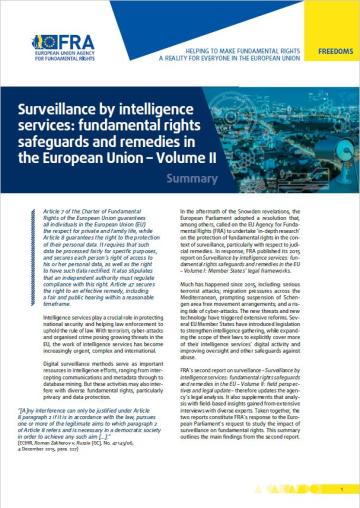
Com o terrorismo, os ataques informáticos e as sofisticadas redes criminosas transfronteiriças que apresentam ameaças crescentes, a atividade dos serviços de informações tornou-se mais urgente, complexo e internacional. Tal atividade pode afetar seriamente os direitos fundamentais, sobretudo em matéria de proteção da vida privada e dos dados pessoais. Embora os avanços tecnológicos contínuos possam agravar essa ameaça, a supervisão e os meios de defesa eficazes podem reduzir as possibilidades de abuso.
Din cauza terorismului, a atacurilor cibernetice și a crimei organizate care constituie amenințări tot mai mari în UE, munca serviciilor de informații a devenit tot mai urgentă, complexă și internațională. Munca respectivă poate afecta considerabil drepturile fundamentale, în special confidențialitatea și protecția datelor. Deși progresele tehnologice permanente ar putea exacerba amenințarea generată de aceste interferențe, controlul democratic eficient și existența unor căi de recuperare a prejudiciului pot reduce potențialul comiterii de abuz.
Terorizmus, kybernetické útoky a sofistikované cezhraničné zločinecké siete predstavujú rastúcu hrozbu. Preto sa práca spravodajských služieb stáva čoraz viac naliehavejšou a komplexnejšou, pričom sa posilňuje jej medzinárodný charakter. Môže dôrazne zasahovať do základných práv, najmä na ochranu súkromia a údajov. Kým neustály technologický pokrok potenciálne zhoršuje hrozbu takéhoto zásahu, účinný dohľad a prostriedky nápravy môžu obmedziť potenciál zneužitia.
Ker terorizem, kibernetski napadi in dobro razvite čezmejne kriminalne mreže pomenijo čedalje večje grožnje, je postalo delo obveščevalnih služb nujnejše ter bolj zapleteno in mednarodno. Tako delo lahko pomeni velik poseg v temeljne pravice, zlasti zasebnost in varstvo podatkov. Čeprav nenehen tehnološki napredek potencialno stopnjuje grožnjo takega posega, lahko učinkovit nadzor in
pravna sredstva omejijo možnosti zlorabe.
I och med de ökande hoten från terrorism, cyberattacker och sofistikerade gränsöverskridande kriminella nätverk har underrättelsetjänsternas arbete blivit allt viktigare, komplexare och mer internationellt. Deras arbete kan allvarligt kränka de grundläggande rättigheterna, särskilt rätten till integritet och skydd för personuppgifter. Medan de ständiga tekniska framstegen potentiellt förvärrar risken för sådana kränkningar, kan en effektiv tillsyn och effektiva rättsmedel hindra möjligheterna till missbruk.
The methods used to determine the age of
an applicant may include “invasive” medical tests which interfere with the rights of the child, including their right to dignity,
integrity and privacy. It is often a challenge to find the right balance between protecting children from harm and promoting
their participation in these procedures. This report provides important insights and identifies the implications of collecting
children’s biometric data and conducting age assessments.
This report outlines Member States’ approaches to age requirements and limits
regarding child participation in judicial proceedings; procedural safeguards for, and rights of, children involved in criminal
proceedings; as well as issues related to depriving children of their liberty.
W niniejszym sprawozdaniu określa się podejścia państw członkowskich do wymogów dotyczących wieku i ograniczeń w zakresie uczestnictwa dzieci w postępowaniach sądowych; gwarancje proceduralne oraz prawa dzieci biorących udział w postępowaniu karnym; a także kwestie dotyczące pozbawiania dzieci wolności.
The right to access justice and all other relevant procedural rights are not just rights in themselves; they also protect against violations of every other right. Respect for children’s rights in the area of justice is therefore essential. International treaties, the Charter of Fundamental Rights of the European Union, European Union (EU) secondary law, and national legislation provide a number of relevant rights.
This Opinion by the European Union Agency for Fundamental Rights (FRA) aims to inform the European Parliament position concerning legislative proposals on interoperability between EU information technology systems (IT systems) presented on 12 December 2017 and currently discussed by the EU legislators.
Poor sanitation, hunger, youth unemployment – Roma in the EU face these basic challenges in their daily life, finds the European Union Agency for Fundamental Rights’ latest Report.
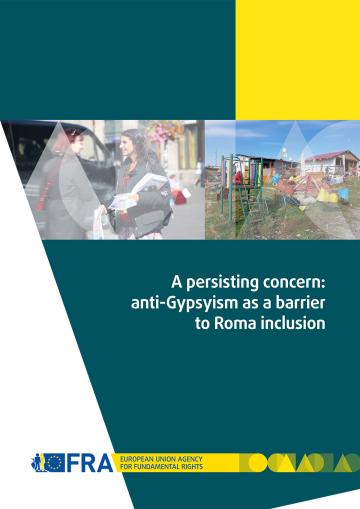
Despite ambitious initiatives, the fundamental rights situation of Roma in the EU remains profoundly troubling. This report examines the persisting phenomenon of anti-Gypsyism and its effect on Roma inclusion efforts. It first presents data on key manifestations of anti-Gypsyism, namely discrimination, harassment and hate crime.
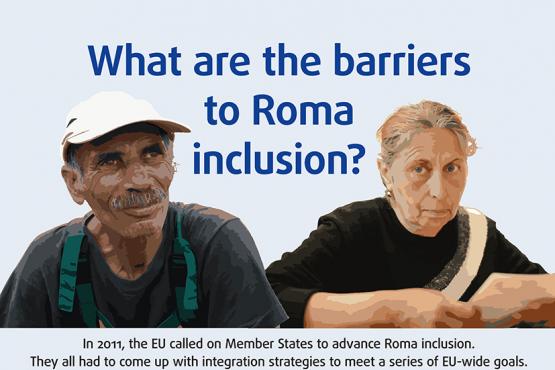
In 2011, the EU called on Member States to advance Roma inclusion.
They all had to come up with integration strategies to meet a series of EU-wide goals.
To date, Member States still fall short on most of the targets.
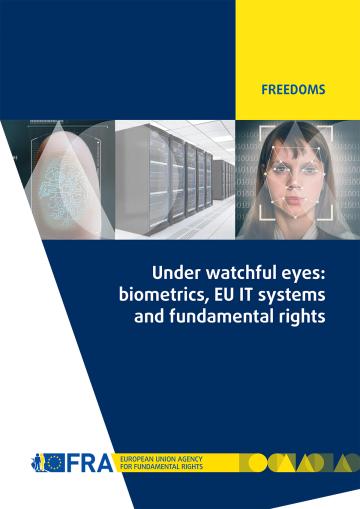
This report outlines the fundamental rights implications of collecting, storing and using
biometric and other data in EU IT systems in the area of asylum and migration.
In view of the increasing numbers of refugees, asylum seekers and migrants entering the EU, the EU Agency for Fundamental Rights has been collecting relevant data since September 2015. These focus on the fundamental rights situation of people arriving in Member States particularly affected by large migration movements. The countries covered are: Austria, Bulgaria, Croatia, Denmark, Finland, France, Germany, Greece, Hungary, Italy, the Netherlands, Poland, Spain and Sweden.
Η ευρωπαϊκή νομοθεσία κατά των διακρίσεων, η οποία αποτελείται ειδικότερα από τις οδηγίες
της ΕΕ κατά των διακρίσεων, καθώς και από το άρθρο 14 και το δωδέκατο πρωτόκολλο της
Ευρωπαϊκής Σύμβασης των Δικαιωμάτων του Ανθρώπου απαγορεύει τις διακρίσεις σε διάφορους
τομείς και για διάφορους λόγους. Το παρόν εγχειρίδιο εξετάζει την ευρωπαϊκή νομοθεσία κατά
των διακρίσεων, όπως αυτή απορρέει από τις δύο αυτές πηγές που λειτουργούν συμπληρωματικά
μεταξύ τους, παραπέμποντας αδιακρίτως και στις δύο όποτε αυτές αλληλοεπικαλύπτονται,
επισημαίνοντας, όμως, ταυτόχρονα, τυχόν διαφορές τους.
European non-discrimination law, as constituted in particular by the EU non-discrimination directives, and Article 14 of and Protocol 12 to the European Convention on Human Rights, prohibits discrimination across a range of contexts and grounds. This handbook examines European non-discrimination law stemming from these two sources as complementary systems, drawing on them interchangeably to the extent that they overlap, while highlighting differences where these exist.
La legislación europea contra la discriminación, integrada por las Directivas de la UE en materia de no discriminación y el artículo 14 y el Protocolo n.o 12 del Convenio Europeo de Derechos Humanos, prohíben la discriminación en una gama de contextos y por una serie de motivos. En este manual se analiza la legislación europea contra la discriminación derivada de estas dos fuentes, que funcionan como sistemas complementarios, acudiendo indistintamente a uno u otro en los casos en que se superpongan y resaltando también las diferencias existentes.