Artificial intelligence is everywhere and affects everyone – from deciding what content people see on their social media feeds to determining who will receive state benefits. AI technologies are typically based on algorithms that make predictions to support or even fully automate decision-making.
Ο Οργανισμός της Ευρωπαϊκής Ένωσης για το Άσυλο (EUAA) και ο Οργανισμός Θεμελιωδών Δικαιωμάτων της Ευρωπαϊκής Ένωσης (FRA) ένωσαν τις δυνάμεις τους για την ανάπτυξη σειράς πρακτικών εργαλείων για τους επιτρόπους ασυνόδευτων παιδιών με ανάγκες διεθνούς προστασίας. Στόχος είναι να υποστηριχθούν οι επίτροποι στα καθημερινά τους καθήκοντα και ευθύνες κατά τη διάρκεια της διαδικασίας χορήγησης ασύλου, της διαδικασίας του Δουβλίνου και της προσωρινής προστασίας.
The European Union Agency for Fundamental Rights (FRA) and the European Union Agency for Asylum (EUAA) joined forces to create this tool focusing on temporary protection for unaccompanied children fleeing Ukraine.
L’Agenzia dell’Unione europea per l’asilo (EUAA) e l’Agenzia dell’Unione europea per i diritti fondamentali (FRA) hanno unito le loro forze nello sviluppo di una serie di strumenti pratici per i tutori di minori non accompagnati con esigenze di protezione internazionale. L’obiettivo è sostenere i tutori nei loro compiti e responsabilità quotidiani durante la procedura di asilo, compresa la procedura Dublino e la protezione temporanea.
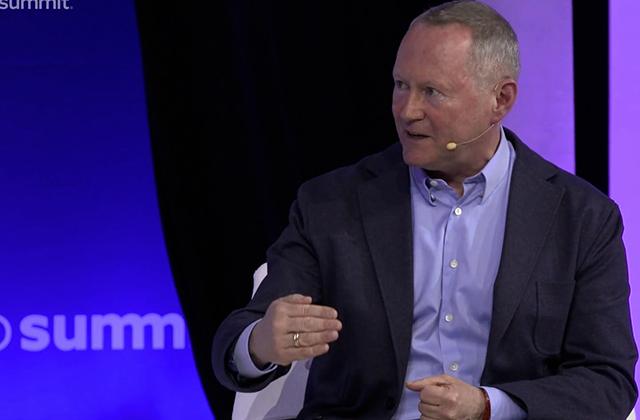
Automation and AI have radically transformed how we work, live and play. In this video, Director of the EU Agency for Fundamental Rights, Michael O'Flaherty, discusses the implications of AI for our most basic of human rights.
Antisemitic incidents and hate crimes violate fundamental rights, especially the right to human dignity, the right to equality of treatment and the freedom of thought, conscience and religion. This report provides an overview of available data on antisemitism as recorded by official and unofficial sources in the EU Member States and in Albania, North Macedonia and Serbia. The data provided by the countries are supplemented with information from international organisations.
This report presents findings from FRA’s 2021 survey on Roma in Croatia, Czechia, Greece, Hungary, Italy, Portugal, Romania and Spain, as well as in North Macedonia and Serbia. The survey includes interviews with more than 8,400 Roma, collecting information on more than 20,000 individuals living in their households. By focusing on Roma, the survey provides unique data and information that are not available from European general population surveys, which do not disaggregate on grounds of ethnic origin. The findings present a bleak but familiar picture of exclusion, deprivation, discrimination and racism.
The Russian invasion of Ukraine triggered solidarity from EU governments, local authorities and society as they welcomed more than 7 million people fleeing the aggression. The European Union’s rapid response, activating the EU Temporary Protection Directive, offered welcome relief and much-needed support to those in need. It allowed displaced persons the opportunity to quickly settle and to work, travel and access services across the EU. But other pressing human rights issues have come to the fore and remain high on the EU’s agenda, such as human trafficking, sexual and gender-based violence, hate crime and hate-fuelled disinformation.
Οι τρομοκρατικές επιθέσεις συνιστούν σοβαρή απειλή για τη ζωή και την ασφάλεια των πολιτών, αλλά και τεράστια πρόκληση για την ασφάλεια των κρατών. Ταυτόχρονα, η αντιτρομοκρατική νομοθεσία, οι αντιτρομοκρατικές πολιτικές και τα λοιπά μέτρα μπορεί να συνεπάγονται, αμέσως ή εμμέσως, σοβαρούς περιορισμούς στα θεμελιώδη δικαιώματα και αρνητικές επιπτώσεις για τα άτομα, τις ομάδες και την κοινωνία στο σύνολό της. Η παρούσα σύνοψη παρουσιάζει τα κύρια ευρήματα της έκθεσης του FRA σχετικά με την οδηγία (ΕΕ) 2017/541 για την καταπολέμηση της τρομοκρατίας, την κύρια νομική πράξη της Ευρωπαϊκής Ένωσης (ΕΕ) στον τομέα του ποινικού δικαίου για την καταπολέμηση της τρομοκρατίας.
Acts of terrorism represent a serious threat to the lives and safety of people, and a profound security challenge for states. At the same time, counter-terrorism legislation, policies and other measures can entail, directly or indirectly, serious limitations to fundamental rights, and can adversely affect individuals, groups and society as a whole. This summary presents FRA’s main findings from its report on Directive (EU) 2017/541 on combating terrorism, the main criminal law instrument at EU level in the field of counter-terrorism.
Gli atti di terrorismo rappresentano una grave minaccia per la vita e l’incolumità delle persone e una profonda sfida per gli Stati in materia di sicurezza. Al tempo stesso, la legislazione, le politiche e le altre misure antiterrorismo possono comportare, direttamente o indirettamente, gravi limitazioni ai diritti fondamentali e possono ripercuotersi negativamente sugli individui, sui gruppi e sulla società nel suo insieme. Questa sintesi presenta i principali risultati della FRA derivanti dalla sua relazione sulla direttiva (UE) 2017/541 sulla lotta contro il terrorismo, il principale strumento penale a livello UE nel campo della lotta contro il terrorismo.
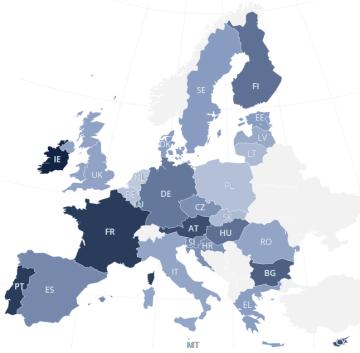
Since 2014, FRA has been publishing an annual update of the forced return monitoring systems EU Member States have set up under Article 8 (6) of the EU’s Return Directive (2008/115/EC). This overview describes different indicators for an effective forced return monitoring system. It includes the organisation responsible for monitoring forced return, the number of operations monitored in 2021, the phases of monitored return operations, the number of staff trained and working as monitors, and whether the monitoring body issued public reports about their monitoring.
The Charter of Fundamental Rights of the European Union (CFREU) is the EU’s bill of rights. It always binds the EU institutions and the Member States when they act within the scope of EU law. However, it is far from easy to assess whether a concrete case falls within the scope of EU law. This is why it is necessary to provide training and training material to legal professionals so that they can understand the field of application of the Charter as laid out in its Article 51. This trainer’s manual aims at providing guidance on both the organisation and the implementation of such trainings based on a series of case studies,
which will be extended in the future.
Οι οργανώσεις της κοινωνίας των πολιτών έρχονται αντιμέτωπες με διάφορες προκλήσεις στις χώρες της Ευρωπαϊκής Ένωσης. Η έκθεση του FRA για την Προστασία του χώρου της κοινωνίας των πολιτών στην ΕΕ παρουσιάζει τα ευρήματα του Οργανισμού σε σχέση με τις εν λόγω προκλήσεις. Η έκθεση εκδόθηκε τον Σεπτέμβριο του 2021. Η παρούσα σύνοψη παρουσιάζει τα βασικά ευρήματα και τις γνώμες του FRA που επισημαίνονται στην έκθεση.
Civil society organisations face diverse challenges across the European Union. FRA’s report on Protecting civic space in the EU presents the agency’s findings on these challenges. It was issued in September of 2021. This summary presents the Key findings and FRA opinions outlined in the report.
Le organizzazioni della società civile sono alle prese con varie sfide nell’ambito dell’Unione europea. La relazione della FRA, intitolata Protecting civic space in the EU (Proteggere lo spazio civico nell’UE), pubblicata a settembre 2021, presenta le conclusioni dell’Agenzia su queste sfide. La presente sintesi riporta i risultati principali e i pareri della FRA esposti nella relazione.
Civil society is a key component of Europe’s fundamental rights architecture. From supporting people affected by the pandemic to helping those fleeing the war in Ukraine, civil society plays a crucial role in upholding people’s rights. In so doing, it contributes to a healthy rule of law culture. FRA’s civic space report provides an overview of the many ways in which civil society contributes to the checks and balances that underpin the rule of law.
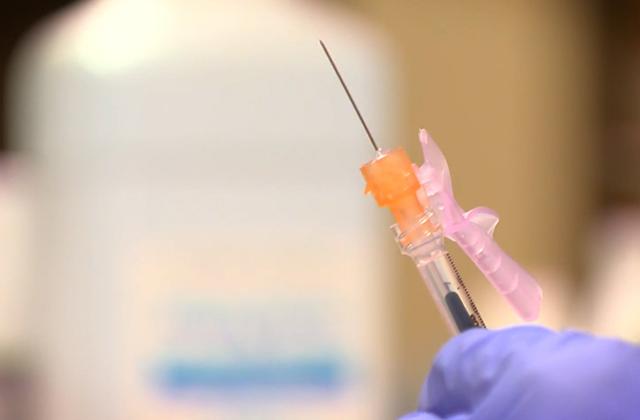
In this vlog, FRA Director Michael O'Flaherty, points to the need to recommit to human rights, as evidenced by the wide-ranging impact of the Covid-19 pandemic. Here he refers to vaccine inequalities and the impact on marginalised communities, disadvantaged children and frontline workers. As he explains in this vlog, human rights can help fix and strengthen society so we are ready for the next pandemic.