Vaikai yra savarankiški teisių subjektai. Jie yra visų žmogaus ir pagrindinių teisių turėtojai ir subjektai pagal specialias teisės normas, vaikams taikomas dėl išskirtinių vaikams būdingų bruožų. Šiame vadove siekiama parodyti, kaip pagal Europos teisę ir teismų praktiką paisoma konkrečių vaikų interesų ir poreikių. Jame taip pat parodyta vaikų tėvų ir globėjų arba kitų teisinių atstovų svarba ir, jei būtina, nurodyta, kada teisės ir atsakomybė aiškiausiai perduodamos vaikais besirūpinantiems asmenims.
Bērni ir pilntiesīgi tiesību subjekti. Viņi ir visu cilvēktiesību un pamattiesību saņēmēji, kā arī īpaša regulējuma subjekti, ņemot vērā viņu raksturīgās īpatnības. Šīs rokasgrāmatas mērķis ir parādīt, kā Eiropas tiesību aktos un judikatūrā tiek ņemtas vērā bērnu īpašās intereses un vajadzības. Tajā ir parādīta arī vecāku un aizbildņu un citu juridisko pārstāvju svarīgā loma un attiecīgos gadījumos izdarītas atsauces uz gadījumiem, kad galvenās tiesības un pienākumi ir piešķirti bērnu aprūpētājiem.
It-tfal huma detenturi ta’ drittijiet b’mod sħiħ. Huma benefiċċjarji tad-drittijiet tal-bniedem u d-drittijiet fundamentali kollha u soġġetti ta’ regolamenti speċjali, minħabba l-karatteristiċi speċjali tagħhom. Dan il-manwal għandu l-għan li juri kif id-dritt Ewropew u l-każistika jakkomodaw l-interessi u l-bżonnijiet speċifiċi tat-tfal. Juri wkoll l-importanza ta’ ġenituri u tuturi jew rappreżentanti legali oħrajn u jagħmel referenza, fejn xieraq, għal fejn id-drittijiet u r-responsabbiltajiet huma vestiti blaktar
prominenti fil-persuni li jieħdu ħsieb it-tfal.
Kinderen hebben net als ieder ander rechten. Zij genieten alle mensen- en grondrechten en vallen onder speciale regelgeving in verband met hun specifieke kenmerken. Dit handboek wil illustreren hoe de Europese wetgeving en jurisprudentie voorzien in de specifieke belangen en behoeften van kinderen, maar laat ook zien hoe belangrijk ouders en voogden en andere wettelijke vertegenwoordigers zijn. Het geeft in voorkomend geval aan op welke gebieden de rechten en verantwoordelijkheden voornamelijk bij de verzorgers van kinderen liggen. Dit handboek beoogt om de bekendheid met en de kennis van de rechtsnormen die de rechten van het kind in Europa beschermen en bevorderen, te vergroten. Het is een naslagwerk over het recht van de Europese Unie (EU) en de Raad van Europa (RvE) met betrekking tot deze onderwerpen en licht toe hoe elk onderwerp is geregeld in het EU-recht, met inbegrip van het Handvest van de grondrechten van de Europese Unie, en in het Europees Verdrag voor de Rechten van de Mens (EVRM), het Europees Sociaal Handvest (ESH) en andere RvE-instrumenten.
Dzieci są pełnoprawnymi podmiotami praw. Są beneficjentami wszystkich praw człowieka i praw podstawowych i podmiotami, które ze względu na swoje cechy szczególne podlegają przepisom szczególnym. Celem niniejszego podręcznika jest pokazanie, w jaki sposób konkretne interesy i potrzeby dzieci są uwzględnione w europejskim prawie i orzecznictwie. Przedstawiono w nim również znaczenie rodziców i opiekunów lub innych przedstawicieli prawnych, a także w stosownych przypadkach odniesiono się do sytuacji, w których prawa i obowiązki nadane są głównie opiekunom dzieci. Celem tego podręcznika jest podniesienie świadomości i poszerzenie wiedzy na temat norm prawnych, które chronią i promują prawa dziecka w Europie. Jest on punktem odniesienia zarówno do prawa Unii Europejskiej, jak i do prawa Rady Europy związanego z tymi obszarami tematycznymi i zawiera objaśnienia poszczególnych regulacji w tym zakresie w prawie UE, w tym w Karcie praw podstawowych Unii Europejskiej, oraz w europejskiej konwencji praw człowieka, Europejskiej karcie społecznej i innych instrumentach Rady Europy.
As crianças são juridicamente titulares de direitos. São beneficiárias de todos os direitos humanos e fundamentais, além de serem objeto de regulamentações especiais devido às suas características específicas. O objetivo do presente manual é mostrar a forma como o direito e a jurisprudência europeus atendem aos interesses e necessidades específicos das crianças. Ilustra igualmente a importância dos progenitores e tutores ou outros representantes legais e faz referência, quando necessário, aos principais direitos e responsabilidades conferidos às pessoas que têm a guarda das crianças
Copiii sunt îndreptățiți să se bucure de drepturi depline. Ei beneficiază de toate drepturile omului și de toate drepturile fundamentale și fac obiectul unor reglementări speciale, date fiind caracteristicile lor specifice. Manualul de față își propune să ilustreze modul în care legislația și jurisprudența europeană răspund intereselor și nevoilor specifice ale copiilor. De asemenea, ilustrează importanța rolului jucat de părinți și tutori sau alți reprezentanți legali și face referire, unde este cazul, la situațiile în care drepturile și responsabilitățile le revin în cea mai mare măsură persoanelor în grija cărora se află copiii. El constituie un punct de referință în ceea ce privește dreptul Uniunii Europene (UE) și al Consiliului Europei (CoE) cu privire la aceste domenii, deoarece explică modul în care este reglementat fiecare aspect în dreptul UE, inclusiv în Cartă, precum și în Convenția europeană a drepturilor omului (Convenția), în Carta socială europeană și în alte instrumente juridice ale CoE.
Otroci so polnopravni imetniki pravic. Zagotovljene so jim vse človekove in temeljne pravice ter so zaradi svojih posebnih lastnosti subjekti posebnih ureditev. Namen tega priročnika je ponazoriti, kako se v evropskem pravu in sodni praksi upoštevajo posebni interesi in potrebe otrok. V njem je poudarjen tudi pomen staršev in skrbnikov ali drugih zakonitih zastopnikov, poleg tega pa, kjer je
ustrezno, vključuje primere, v katerih se pravice in odgovornosti podelijo predvsem skrbnikom otrok.
Barn har alldeles egna rättigheter. De är berättigade till alla mänskliga och grundläggande rättigheter och omfattas av ett särskilt regelverk med tanke på deras särskilda egenskaper. Syftet med denna handbok är att visa hur europeisk lagstiftning och rättspraxis tar till vara barns särskilda intressen och behov. Den beskriver också föräldrars, vårdnadshavares eller andra juridiska företrädares betydelse och anger i tillämpliga fall var rättigheter och ansvar i första hand innehas av barnens vårdnadshavare. Den är en första referenspunkt för både unionsrätten och Europarådets regelverk avseende dessa ämnesområden och förklarar hur varje fråga regleras enligt unionsrätten och enligt EU-stadgan om de grundläggande rättigheterna, Europakonventionen, den europeiska sociala stadgan och Europarådets övriga instrument.
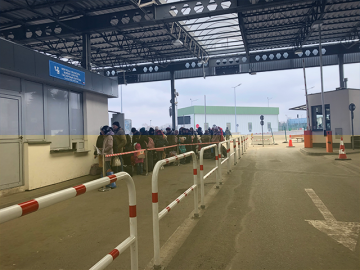
The EU is facing a large-scale humanitarian crisis. Over 10 days at the beginning of March, the EU Agency for Fundamental Rights (FRA) visited all EU countries bordering Ukraine and Moldova – Hungary, Poland, Romania and Slovakia.
In 2015 and 2016, the numbers of unaccompanied children arriving in Europe increased dramatically, straining national guardianship systems. This report looks at how EU Member States, as well as North Macedonia and Serbia, have adapted their guardianship systems for unaccompanied children since that time.
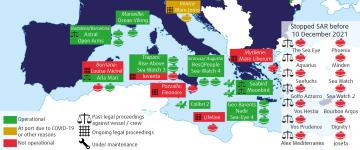
The EU Agency for Fundamental Rights (FRA) regularly collects data on NGO vessels involved in search and rescue in the Mediterranean. This includes any legal proceedings against them, as well as any difficulties disembarking migrants in safe ports. The International Organization for Migration estimates that from January to 10 December 2021 about 1,654 people have died or gone missing while crossing the Mediterranean Sea to reach Europe to escape war or persecution or to pursue a better life. This is an average of more than four people per day. Deadly incidents have also occurred recently in the Channel (La Manche).
Since 2014, FRA has been publishing an annual update of the forced return monitoring systems EU Member States have set up under Article 8 (6) of the EU’s Return Directive. This overview describes different indicators for an effective forced return monitoring system. It includes the organisation responsible for monitoring forced return, the number of operations monitored in 2020, the phases of monitored return operations, the number of staff trained and working as monitors, and whether the monitoring body issued public reports about their monitoring.
This report sheds light on the realities faced by unaccompanied migrant children who are not in the care of child protection systems in the EU. Presented as a case study, it tells the story of children and young adults from Pakistan who travelled alone to the EU without their parents or other adults.
FRA Opinion 1/21 illustrates the extent and nature of lived experiences of inequality and discrimination across the EU. It does so with reference to the grounds of discrimination and areas of life covered by the racial and employment equality directives, as well as by the proposed Equal Treatment Directive. It was issued on 30 April 2021. This summary presents the main recommendations (‘Key findings and opinions’) outlined in FRA Opinion 1/21.
Az FRA (az Európai Unió Alapjogi Ügynöksége) 1/21. véleménye bemutatja az egyenlőtlenséggel és hátrányos megkülönböztetéssel kapcsolatos tapasztalatok mértékét és jellegét az Unióban. Ehhez a faji és a foglalkoztatási egyenlőségi irányelvben, valamint az egyenlő bánásmódról szóló irányelvre irányuló javaslatban meghatározott megkülönböztetési okokat és területeket veszi alapul. A véleményt 2021. április 30-án adták ki. Ez az összefoglaló az FRA 1/21. véleményében megfogalmazott főbb ajánlásokat („Főbb megállapítások és vélemények”) mutatja be.
This report outlines to what extent legal aid is available to those held in pre-removal detention in the 27 EU Member States, and in North Macedonia and Serbia, during procedures related to their return. These involve decisions on return, on detention pending removal, the removal itself and on bans on entry. The report also examines when people are entitled to free legal aid and how this aid is funded, as well as who provides representation and various factors that limit the scope of legal aid.
This report proposes a framework for becoming, and functioning as, a ‘human rights city’ in the EU. It includes ‘foundations’, ‘structures’ and ‘tools’ for mayors, local administrations and grassroots organisations to reinforce fundamental rights locally. It is based on existing good practice and expert input by representatives of human rights cities in the EU, academic experts, international organisations and city networks.
Since September 2020, three National Human Rights Institutions (NHRIs) had a change in their accreditation status, two new institutions were created and nine have had a change in tasks covered by their mandates. Following up on the September 2020 report “Strong and effective national human rights institutions – challenges, promising practices and opportunities”, this update provides an overview of developments in the accreditation status and mandates of NHRIS in the past 12 months. The update covers the 27 EU Member States as well as three additional states within FRA’s mandate (Albania, North Macedonia and Serbia).
Civil society organisations play a vital role in promoting fundamental rights, but they face diverse challenges across the European Union. This report presents FRA’s findings on a range of such challenges. The findings are based on research, and on two online consultations with civil society organisations, carried out in 2020.