V tomto zhrnutí sú uvedené hlavné poznatky
z druhej správy agentúry FRA vychádzajúcej
z prieskumu o základných právach, ktorý
uskutočnila agentúra. V prieskume boli
zhromaždené údaje približne od 35 000 osôb
o skúsenostiach, vnímaní a názoroch týkajúcich sa
celého radu záležitostí, ktoré sa rôznym spôsobom
týkajú ľudských práv.
V tem povzetku so predstavljene glavne ugotovitve
iz drugega osrednjega poročila agencije FRA o njeni
raziskavi o temeljnih pravicah. V raziskavi so bili pri
približno 35 000 osebah zbrani podatki o njihovih
izkušnjah, dojemanju in mnenjih v zvezi z vrsto
vprašanj, ki se na različne načine nanašajo na
človekove pravice.
Kjo përmbledhje paraqet idetë kyçe të raportit të dytë kryesor të FRA-së, mbështetur në Anketën për të Drejtat Themelore. Anketa mblodhi të dhëna nga rreth 35 000 njerëz lidhur me përvojat, perceptimet dhe opinionet e tyre mbi një sërë çështjesh që përmblidhen në mënyra të ndryshme nga të drejtat e njeriut.
Den här sammanfattningen innehåller de viktigaste
lärdomarna från FRA:s andra huvudrapport, som
baseras på undersökningen om grundläggande
rättigheter. I undersökningen samlades data in från
runt 35 000 människor om deras erfarenheter av,
inställning till och åsikter om en mängd frågor som
på olika sätt rör de mänskliga rättigheterna.
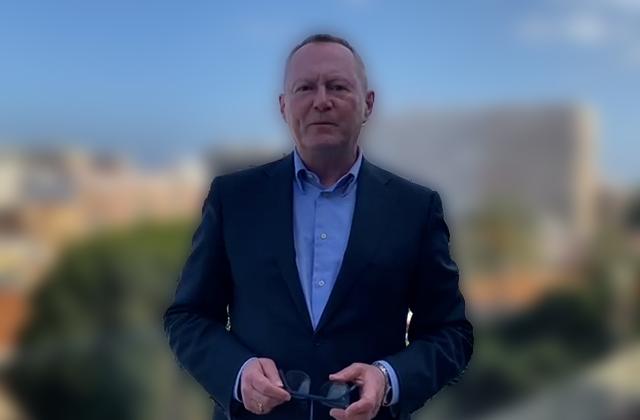
FRA Director Michael O'Flaherty visited the Canary Islands in March 2021 to get a sense of the migration situation there. He highlights the need to support the Canary Islands in relocating unaccompanied children and providing clear procedures on asylum applications.
It’s said you have the right to have fundamental human rights. FRA’s Gabriel Toggenburg explains his firm belief in the EU justice system to protect those basic freedoms. For Gabriel, a person’s identity does not necessarily come from their nationality. He tells how being born in Germany with family roots and connections in Italy, France, the UK, Switzerland and Russia shaped those views.
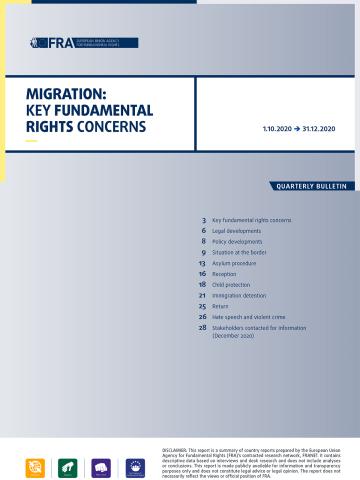
The EU Agency for Fundamental Rights has been regularly collecting data on asylum and migration since September 2015. This report focuses on the fundamental rights situation of people arriving in Member States and EU candidate countries particularly affected by migration. It addresses fundamental rights concerns between 1 October and 31 December 2020.
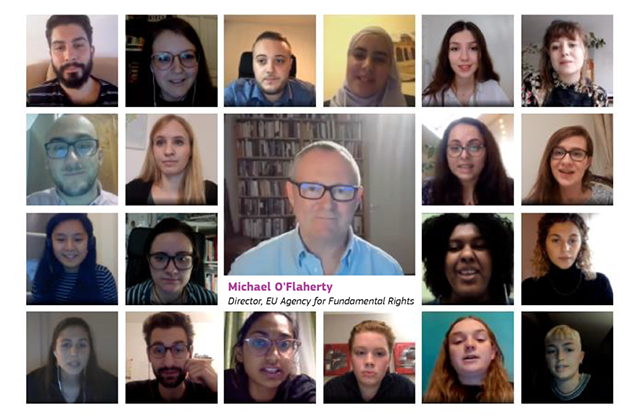
On 23 February 2021, FRA’s Director, Michael O’Flaherty, listened to fundamental rights concerns and discussed ways to solve them. The second Fundamental Rights Dialogue invited young people to participate in shaping our societies, placing human rights centre stage.
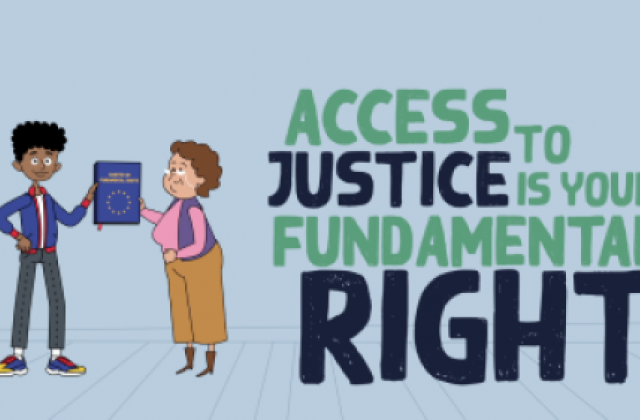
Crime can touch any of us – as witnesses or as victims. But no matter who you are, we all have rights when it comes to justice. These three short clips show some aspects of working together for justice, rights of victims of crime and rights of witnesses of crime.
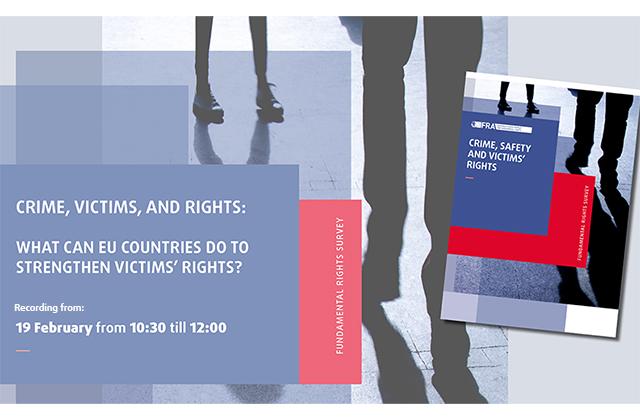
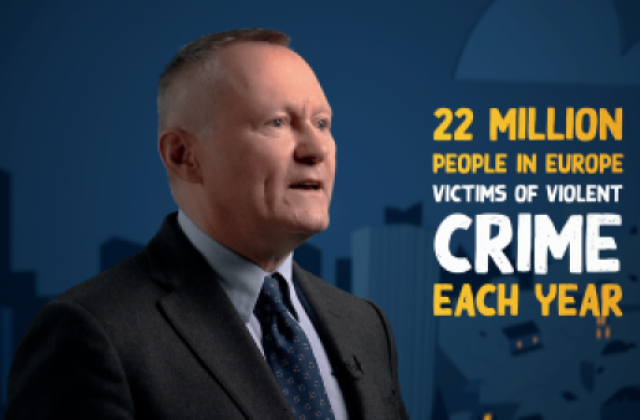
We don’t all experience crime in the same way, and we might deal with it differently. But it’s vital – as victims or witnesses – that our rights are guaranteed, because access to justice is our fundamental right. Watch FRA Director Michael O’Flaherty speaking on the Fundamental Rights Survey report on crime, safety and victims’ rights.
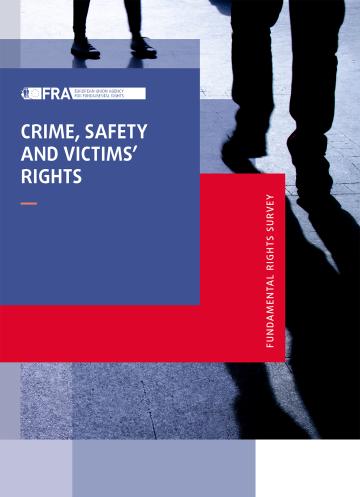
Crime can touch any of us – as witnesses or as victims. But no matter who you are, we all have rights when it comes to justice. It is for this reason that the European Union Agency for Fundamental Rights asked 35,000 people across Europe about their experiences of crime in its Fundamental Rights Survey, and the results are in.
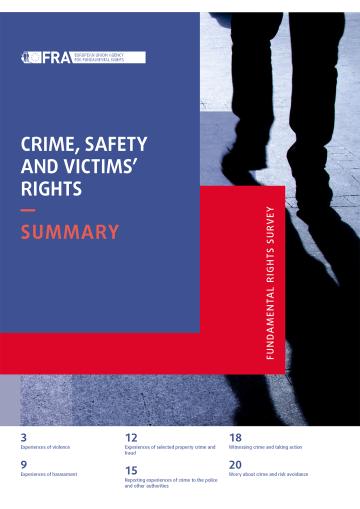
This is the second main report from FRA’s Fundamental Rights Survey, which collected data from 35,000 people on a range of issues. This report focuses on respondents’ experiences as victims of selected types of crime, including violence, harassment, and property crime. The report also examines how often these crimes are reported to the police, and presents further details relating to harassment and violence, such as the perpetrators and where the incidents took place.
Lots of small, positive acts can lead to great things. FRA’s Friso Roscam Abbing explains how you can defend human rights by something as simple as voting. Friso shares all he learned from the fall of the Iron Curtain. And how you too can affect such world-changing events by exercising your rights at home. By using your right to vote, you too can make a difference.
An equal society is a better society for everyone. FRA’s Ursula Till-Tentschert warns against sidelining women — once empowered, there is nothing they cannot do. Ursula remembers the injustice of having to sew at school while her brothers carved models from wood. It is only a short step from classroom discrimination to outright prejudice. She celebrates the EU laws that protect us. But she says they will only truly work if we also smash the invisible social barriers to empowerment.
Never take today’s freedoms for granted. FRA’s Jana Gajdošová remembers authoritarian rule in her native Czechoslovakia. Then, shortages, secret police and petty corruption were the norm. The State Security even posted spies to watch churchgoers at mass. Jana tells how the repression she experienced in her childhood inspired her to fight for the rights we all enjoy now in Europe. If you care for freedom, this is a must-listen.
On 13 November, the Fundamental Rights Agency (FRA) hosted its first Fundamental Rights Dialogue - a virtual event that gave young people an opportunity to voice their fundamental rights concerns and discussed ways to solve them with FRA's Director Michael O'Flaherty.
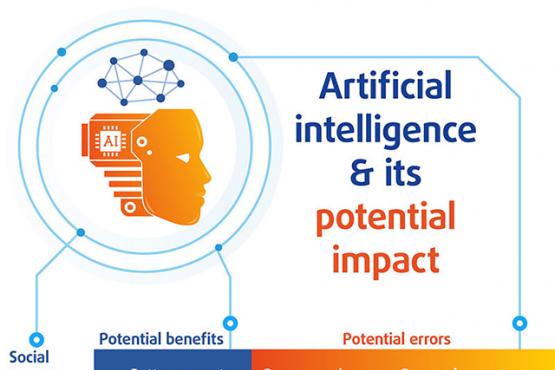
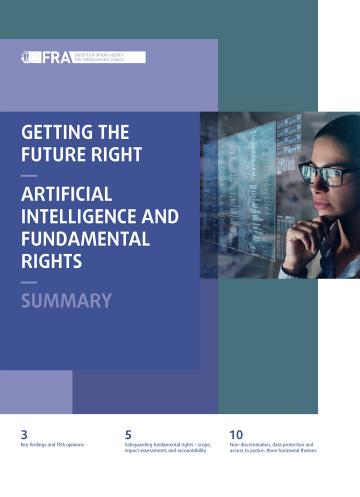
Artificial intelligence (AI) already plays a role in many decisions that affect our daily lives. From deciding what unemployment benefits someone gets to where a burglary is likely to take place. But we need to make sure to fully uphold fundamental rights standards when using AI. Drawing on the ‘Getting the future right – Artificial intelligence and fundamental rights’ report, FRA explores the potential benefits and possible errors that can occur focusing on four core areas – social benefits, predictive policing, health services and targeted advertising.
Euroopan unionin perusoikeusviraston tekoälyä ja perusoikeuksia koskevassa raportissa esitetään konkreettisia esimerkkejä siitä, miten yritykset ja julkishallinnon yksiköt EU:ssa käyttävät tai yrittävät käyttää tekoälyä. Siinä keskitytään neljään keskeiseen alaan – sosiaalietuuksiin, ennakoivaan poliisitoimintaan, terveyspalveluihin ja kohdennettuun mainontaan. Raportissa käsitellään mahdollisia vaikutuksia perusoikeuksiin ja analysoidaan, miten nämä oikeudet otetaan huomioon tekoälysovellusten käytössä tai kehittämisessä.