Equality

Equality, non-discrimination and racism

Equality is a core value of the EU. You have the right to fair treatment regardless of who you are, what you believe, or how you chose to live.

We carry out research and share expertise to help fight discrimination, inequality and racism in all its forms.

Highlights

  • Report / Paper / Summary
    3
    March
    2026
    Violence against women remains widespread in the European Union (EU). This joint report by the EU Agency for Fundamental Rights (FRA) and the European Institute for Gender Equality (EIGE) presents detailed findings from the EU gender-based violence survey. It offers in-depth analysis of the scale, nature and drivers of violence and exposes the structural gender inequality. Building on the 2024 publication, EU gender-based violence survey - Key results, and following up on FRA’s 2014 report, Violence against women: an EU-wide survey, this report tracks trends over the last decade across the EU. Eurostat, FRA, and EIGE jointly conducted the survey. It is based on over 100,000 interviews covering all 27 EU Member States.
  • Report / Paper / Summary
    27
    January
    2026
    This report looks at antisemitism in the EU, focusing on what can be done to address gaps in recording and inconsistencies in data collection. It highlights existing tools and guidance for Member States to improve their recording systems. The analysis is based on official administrative data and information from publicly available sources across EU Member States, as well as Albania, North Macedonia, and Serbia. Detailed country overviews are available for all countries covered. Antisemitism has been monitored by FRA since 2004. This report builds on the 2024 publication, ‘Jewish People’s Experiences and Perceptions of Antisemitism’.
  • Report / Paper / Summary
    27
    November
    2025
    This report looks at the breadth and depth of violence and neglect faced by people with disabilities living in institutions. It highlights the shortcomings by EU Member States in preventing violence and protecting those who are at a higher risk of experiencing it, in line with the UN Convention on the Rights of Persons with Disabilities. Based on research across all EU Member States and FRA observer candidate countries, the report calls for better protection, stronger prevention of violence, and clear accountability. It urges the EU and its Member States to implement their obligations around equality and fundamental rights.
  • Data explorer
    FRA’s 2024 survey on Roma and Travellers in Albania, Bulgaria, Czechia, France, Greece, Hungary, Ireland, Italy, North Macedonia, Portugal, Romania, Serbia and Spain collected information from 10,126 respondents living in private households who self-identify as Roma or Traveller, are 16 or older and have lived in the survey countries for at least the 12 months before the survey.
    Publications and data
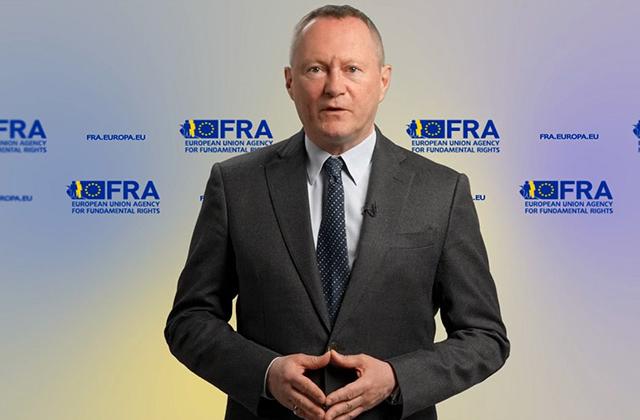
    In this vlog, FRA Director Michael O'Flaherty highlights the need to work together to tackle hate and discrimination in our societies.
    FRA’s 2019 survey on Roma and Travellers in Belgium, France, Ireland, the Netherlands, Sweden and the United Kingdom interviewed almost 4 700 Roma and Travellers, collecting information on more than 8 200 individuals living in their households.
    If we are serious about protecting fundamental rights, we need to start listening to young people and what they have to tell us. This message came through very strongly at the Fundamental Rights Forum 2021. As we kick off the European Year of Youth 2022, let’s look at why listening to young people is key to protecting their rights.
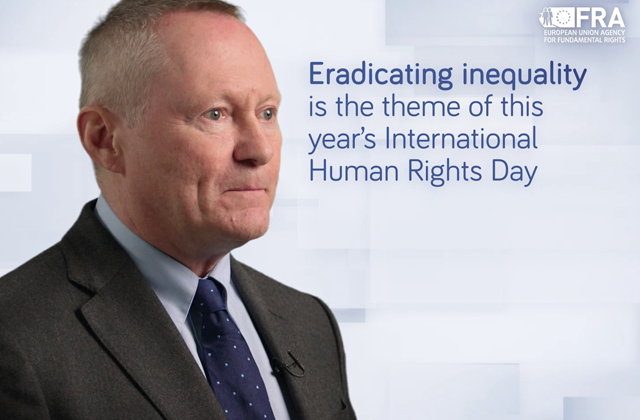
    In this vlog, FRA Director Michael O’Flaherty points to the urgent need to work towards a fairer society and asks us all, as we go forward, to work less for people in the struggle for equality, but much more with them.
    Opinion / Position Paper
    6
    December
    2021
    FRA Opinion 1/21 illustrates the extent and nature of lived experiences of inequality and discrimination across the EU. It does so with reference to the grounds of discrimination and areas of life covered by the racial and employment equality directives, as well as by the proposed Equal Treatment Directive. It was issued on 30 April 2021. This summary presents the main recommendations (‘Key findings and opinions’) outlined in FRA Opinion 1/21.
    9
    November
    2021
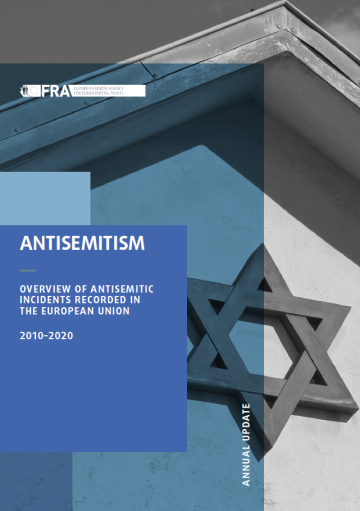
    Antisemitic incidents and hate crimes violate fundamental rights, especially the right to human dignity, the right to equality of treatment, and the freedom of thought, conscience and religion. This report provides an overview of available data on antisemitism as recorded by official and unofficial sources in the EU Member States as well as Albania, North Macedonia and Serbia. The data provided by the countries are supplemented with information from international organisations.
    7
    July
    2021
    Italian version now available
    12 September 2022
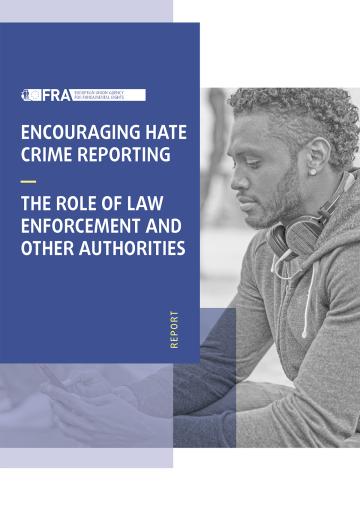
    This report examines why victims do not report bias-motivated incidents and the barriers that they face when reporting incidents through national crime reporting systems. By mapping existing practices that have a bearing on the victim’s experiences when reporting bias-motivated violence and harassment, it aims to provide evidence to support national efforts to encourage and facilitate reporting – and ultimately assist Member States in delivering on their duties with regard to combating hate crime.
    On 23 February 2021, FRA’s Director, Michael O’Flaherty, listened to fundamental rights concerns and discussed ways to solve them. The second Fundamental Rights Dialogue invited young people to participate in shaping our societies, placing human rights centre stage.
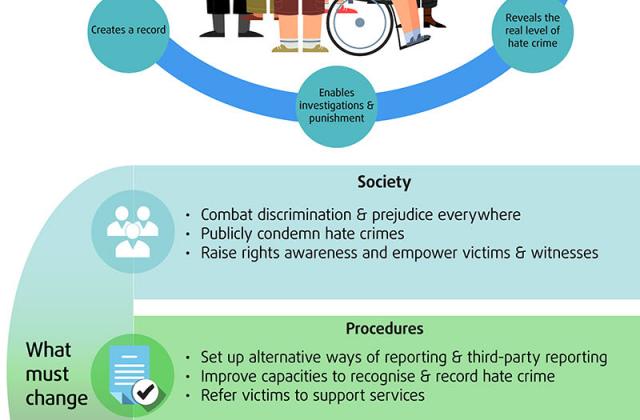
    Drawing on the ‘Encouraging hate crime reporting: the role of law enforcement and other authorities' report, in this infographic FRA outlines why reporting is so important and what must change to encourage hate crime reporting.
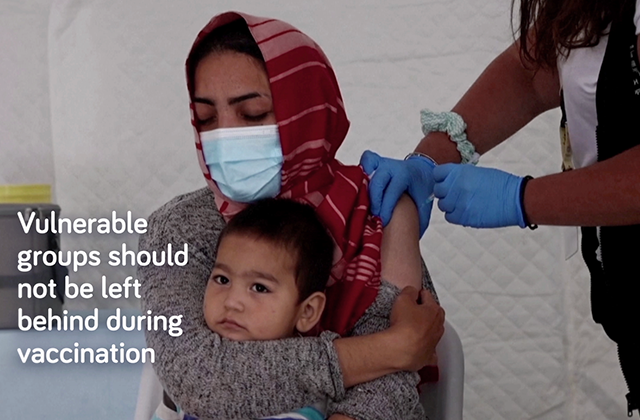
    On 16 June, the EU Agency for Fundamental Rights publishes the seventh of its bulletins on the fundamental rights impact of the COVID-19 pandemic. In his vlog FRA Director draws attention to fundamental rights issues related to the roll out of the vaccines in the EU 27 Member States.
    Periodic updates / Series
    16
    June
    2021
    This Coronavirus Bulletin focuses on equitable access to vaccines. It outlines the situation in the 27 EU Member States from 1 March to 30 April 2021. The bulletin looks at two main areas: planning and prioritisation in deploying Covid-19 vaccinations and their rollout in the countries. It covers information and communication campaigns, as well as (pre)registration channels for and the administration of vaccinations.
    10
    June
    2021
    The year 2020 brought both progress and setbacks in terms of fundamental rights protection. FRA’s Fundamental Rights Report 2021 reviews major developments in the field, identifying both achievements and remaining areas of concern. This publication presents FRA’s opinions on the main developments in the thematic areas covered, and a synopsis of the evidence supporting these opinions.
    10
    June
    2021
    FRA’s Fundamental Rights Report 2021 reviews major developments in the field in 2020, identifying both achievements and areas of concern. It also presents FRA’s opinions on these developments, including a synopsis of the evidence supporting these opinions. This year’s focus chapter explores the impact of the COVID-19 pandemic on fundamental rights. The remaining chapters cover: the EU Charter of Fundamental Rights; equality and non-discrimination; racism, xenophobia and related intolerance; Roma equality and inclusion; asylum, borders and migration; information society, privacy and data protection; rights of the child; access to justice; and the implementation of the Convention on the Rights of Persons with Disabilities.
    10
    June
    2021
    This focus looks at COVID-19’s impact on fundamental rights. It underscores that a human rights-based approach to tackling the pandemic requires balanced measures that are based on law, necessary, temporary and proportional. It also requires addressing the pandemic’s socio-economic impact, protecting the vulnerable and fighting racism.
    There are many reasons for the police to stop someone. But prejudice should not be one of them. Find out what FRA is doing to end discriminatory police stops.
    Opinion / Position Paper
    30
    April
    2021
    This opinion illustrates the extent and nature of lived experiences of inequality and discrimination across the EU. It does so with reference to the grounds of discrimination and areas of life covered by the racial and employment equality directives, as well as in relation to the grounds and areas covered by the proposed Equal Treatment Directive.
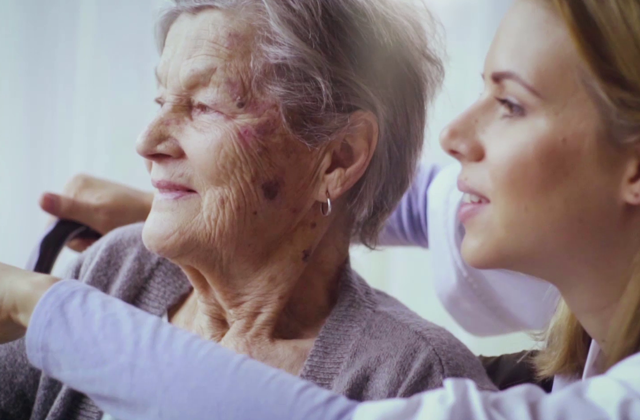
    There are many reasons why adults may find themselves in a situation of vulnerability - because of their age, health or disability. Vulnerable people are at greater risk of unfair treatment, exploitation or abuse. And cross-border settings can lead to additional obstacles. It's time to address these challenges and identify the needs of vulnerable adults so everyone can enjoy their fundamental rights.
    30
    March
    2021
    FRA’s 2019 survey on Roma and Travellers in Belgium, France, Ireland, the Netherlands, Sweden and the United Kingdom interviewed almost 4 700 Roma and Travellers, collecting information on more than 8 200 individuals living in their households.
    This video statement by FRA Director Michael O’Flaherty was recorded for the online event '2021 Mayors Summit Against Anti-Semitism' which took place on 16 March 2021. The event was hosted by the city of Frankfurt am Main in partnership with the Combat Anti-Semitism Movement (CAM).
    The COVID-19 pandemic has an impact on everyone. Governments take urgent measures to curb its spread to safeguard public health and provide medical care to those who need it. They are acting to defend the human rights of health and of life itself. Inevitably, these measures limit our human and fundamental rights to an extent rarely experienced in peacetime. It is important to ensure that such limitations are consistent with our legal safeguards and that their impact on particular groups is adequately taken account of.
    FRA attended the EU high-level group on combating hate speech and hate crime. The event focused on taking stock of achievements of the group. This includes the Working group on hate crime reporting, recording and data collection, which was facilitated by FRA.
    The EU Agency for Fundamental Rights (FRA) has released an updated version of its anti-Muslim hatred database. It includes information on recent incidents, legal measures, judicial trends and institutional responses. The database also tracks broader patterns anti-Muslim discrimination, hate crime and hate speech across Europe. The information collected spans from 2012 to 2024.
    FRA brought the perspective of a human rights-based approach to anti-poverty and social rights work during an expert roundtable on the EU Anti-Poverty Strategy. FRA shared its experience and contribution by data and research about the life experiences of rightsholders and the responses of duty bearers.
    FRA attended a meeting in Brussels from 6 to 7 October of the subgroup on the national implementation of the EU Anti-Racism Action Plan 2020-2025. It was the last meeting under the current anti-Racism action plan.
    FRA’s Director launched the report ‘Rights of Roma and Travellers in 13 European Countries – Perspectives from the Roma Survey 2024’ on 2 October in Brussels. During the opening political panel of the European Platform for Roma Inclusion, she presented key survey findings.
    The FRA Director spoke at the launch of ‘The Unheard 12 millions’. The book presents stories of individuals that the Council of Europe Commissioner for Human Rights met during his visits to selected European countries.
    FRA took part in a seminar organised by Equinet on navigating AI’s impact on disability and age. It looked at challenges and opportunities.
    FRA together with the Albanian Ministry of Justice, held a two-day technical workshop aimed at supporting national efforts to improve the collection of disaggregated data and statistics on equality and hate crime.
    Roma and Travellers in the EU have more jobs and better housing than before, but poverty, discrimination and segregation remain widespread, shows a new survey from the EU Agency for Fundamental Rights (FRA). FRA warns that significant gaps remain between Roma inclusion targets set by the EU and the lived experiences of Roma and Traveller communities. EU countries are not likely to meet the targets by 2030.
    On 22-23 September, FRA participated in a conference of Equality Bodies from South-Eastern Europe. At the event, FRA spoke about the specific challenges that civil society organisations working on non-discrimination issues face in their work.
    On 16 September, FRA spoke at a seminar held by the Slovakian National Human Rights Institution.
    Being intersex in the EU means facing alarming levels of violence, harassment and discrimination in daily life, finds the latest report from the EU Agency for Fundamental Rights (FRA). Many intersex people have been forced to undergo ‘conversion’ practices or medical procedures without their informed consent, amounting to serious fundamental rights violations. FRA calls on EU countries to address the specific needs of intersex people to protect them from hate, discrimination and medical interventions without their free and fully informed consent.
    The OECD and Germany’s Federal Anti-Discrimination Agency invited FRA to contribute to a technical expert workshop on estimating the economic cost of discrimination.
    FRA provided evidence-based input to support the development of the EU’s Anti-Racism Strategy 2026–2030. The contribution draws on the Agency’s survey data, research findings, and expert opinions.
    FRA shared input with the European Commission as it drafts its first EU affordable housing plan. FRA calls for a rights-based approach to housing.
    FRA joined the Budapest Pride 30: International Human Rights Conference that ran from 24 to 26 June. It took part in a panel debate about the future of Europe.
    From 23 to 26 June, FRA attended meetings of the International Holocaust Remembrance Alliance (IHRA). It presented FRA’s priorities in the area of combating antisemitism, including in the area of Holocaust education and remembrance.
    FRA attended a meeting of the Working Group on the Implementation of the EU Strategy on combating antisemitism and fostering Jewish life which took place from 17 to 18 June in Gdansk.
    FRA gave a presentation at the event ‘The Long Shadow of Antisemitism – Finland and Europe without Antisemitism’ on 12 June. FRA spoke about its work on antisemitism and its latest survey findings.
    FRA joined an online consultation for the new Action Plan for the European Pillar of Social Rights. Seven EU agencies provided input to a review of the first Action Plan, its achievements and gaps in implementation, as well as proposals for future actions and possible contributions by the Agencies.
    FRA will take part in the European IDAHOT+ Forum. The Forum’s theme will be advancing Sexual Orientation, Gender Identity and Expression, and Sex Characteristics (SOGIGESC) Equality and Inclusion in a Transforming Europe.
    -
    FRA will take part virtually in a meeting of the Working Group on Equality and Values in Education and Training from 20 to 21 May.
    On 30 April, FRA will contribute to a CEPOL webinar on fighting antisemitism online and offline. The webinar aims at improving law enforcement actions against violence and discrimination against Jews.
    On 29 April, FRA will host a webinar for interested organisations within the Agency’s Fundamental Rights Platform. The webinar will explore the vital role civil society organisations play in driving more integrated child protection systems.
    -
    FRA will join a consultation that will prepare for the LGBTIQ Equality Strategy post-2025. This will include a discussion on the new mandate of the LGBTIQ Equality Subgroup and on the role of Member States in implementing the strategy through national action plans and relations with the European Commission.
    On 3 April, FRA will speak during the mid-term review conference of the Council of Europe’s child rights strategy (2022-2027). The event in Strasbourg looks towards a child justice system which guarantees the respect and the effective implementation of children’s rights.
    FRA will contribute to the Luxembourg National Dialogue and consultation about the forthcoming action plan to promote LGBTIQ Equality.
    On 26 March, FRA will host an online stakeholders’ consultation on the Roma Survey 2024. There will be breakout discussions in national languages.
    -
    FRA will join the annual meeting of the Infra4NextGen Consortium Meeting as member of its stakeholder board.
    FRA will join the regular meeting of the National Roma Contact Points. The European Commission-organised meeting takes place in Brussels on 20 March.
    -
    FRA will take part in a CRPD Committee review meeting from 10 to 12 March in Geneva of the UN Convention on the Rights of Persons with Disabilities (CRPD). FRA is a member of the EU’s CRPD Monitoring Framework.
    FRA and EIGE will give a presentation on the EU Gender-Based Violence survey results to the Luxembourg Ministry of Gender Equality and Diversity. The coordination committee that deals with measures to combat violence against women and domestic violence will also attend.
    Members of the Roma survey Technical Working Group for Ukraine, Moldova, Georgia as well as survey implementing agencies will meet online on 5 March. . The members are the UN Development Programme, the World Bank and FRA.
    Eurostat, FRA and EIGE will deliver a joint presentation to the Council of Europe on the results of the EU Gender-Based Violence survey.
    FRA’s Director will address the OSCE's annual conference on addressing antisemitism. The OSCE Chairpersonship of Finland in consultation with OSCE Office for Democratic Institutions and Human Rights (ODIHR) organised the event.
    -
    During the week of 27 January, FRA’s Director will have various speaking engagements and participate in several events during her visit to Poland.
    FRA’s Director will give introductory remarks at the international conference on ‘Denial, distortion and disinformation: the truth about the Holocaust 80 years after the liberation of Auschwitz’.
    FRA’s Director, Sirpa Rautio, will attend the 80th commemoration of the liberation of Auschwitz-Birkenau German Nazi concentration and extermination camp.
    -
    FRA will deliver a keynote speech at the opening of the International SYNERGY Network conference. FRA will present the results from the EU gender-based violence survey.
    On 3 December, the Secretariat of Governing Bodies to the UN Commission on Crime Prevention and Criminal Justice (CCPCJ) will host a virtual event to discuss how to fully implement Sustainable Development Goal 16 for people with disabilities.