There are many reasons for the police to stop someone. But prejudice should not be one of them. Find out what FRA is doing to end discriminatory police stops.
This paper presents statistical survey data for the EU on how often people are stopped by the police, in what kind of situations they are stopped, the action taken by the police during stops, and views on whether or not the police acted respectfully.
This opinion illustrates the extent and nature of lived experiences of inequality and discrimination across the EU. It does so with reference to the grounds of discrimination and areas of life covered by the racial and employment equality directives, as well as in relation to the grounds and areas covered by the proposed Equal Treatment Directive.
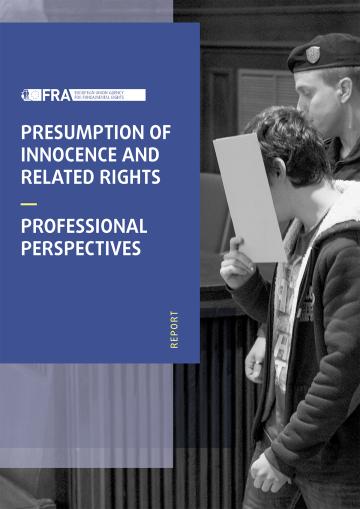
This report looks at the practical implementation of the presumption of innocence in criminal proceedings, and related rights, in 9 EU Member States (Austria, Belgium, Bulgaria, Cyprus, Germany, Italy, Lithuania, Poland and Portugal). Article 48 of the EU Charter of Fundamental Rights guarantees the presumption of innocence – but, as FRA’s research underscores, it can be undermined in many ways.
FRA’s 2019 survey on Roma and Travellers in Belgium, France, Ireland, the Netherlands, Sweden and the United Kingdom interviewed almost 4 700 Roma and Travellers, collecting information on more than 8 200 individuals living in their households.
This note outlines how to help ensure a dignified stay for third-country nationals who are apprehended or intercepted at external borders. Specifically, FRA identifies twelve points for protection-sensitive and fundamental rights-compliant planning and design of initial-reception facilities at such borders. These are based on the agency’s work at external borders, including data collection and research activities.
This video statement by FRA Director Michael O’Flaherty was recorded for the online event '2021 Mayors Summit Against Anti-Semitism' which took place on 16 March 2021. The event was hosted by the city of Frankfurt am Main in partnership with the Combat Anti-Semitism Movement (CAM).
В настоящото резюме се представят основните
изводи от втория основен доклад на FRA, които
се базират на проучването ѝ за основните
права. В проучването са събрани данни от около
35 000 лица относно техния опит, възприятия
и мнения по редица въпроси, които са
обхванати по различен начин от правата на
човека.
This summary presents the main insights from FRA’s second main report based on its Fundamental Rights Survey. The survey collected data from around 35,000 people about their experiences, perceptions and opinions on a range of issues that are variously encompassed by human rights.
Ez az összefoglaló az FRA által az alapjogi felmérése
alapján készített második jelentés legfontosabb
meglátásait mutatja be. A felmérés során mintegy
35 000 embertől gyűjtöttek adatokat számos, az
emberi jogokra különböző mértékben kiterjedő
kérdéssel kapcsolatos tapasztalataikról,
észrevételeikről és véleményeikről.
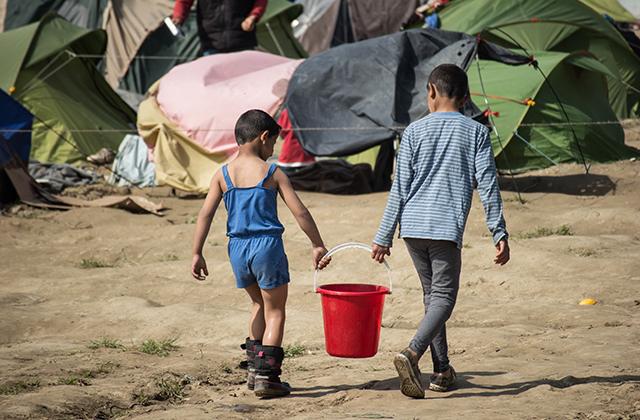
The EU Agency for Fundamental Rights has been regularly collecting data on asylum and migration since September 2015. This report focuses on the fundamental rights situation of people arriving in Member States and EU candidate countries particularly affected by migration. It addresses fundamental rights concerns between 1 October and 31 December 2020.
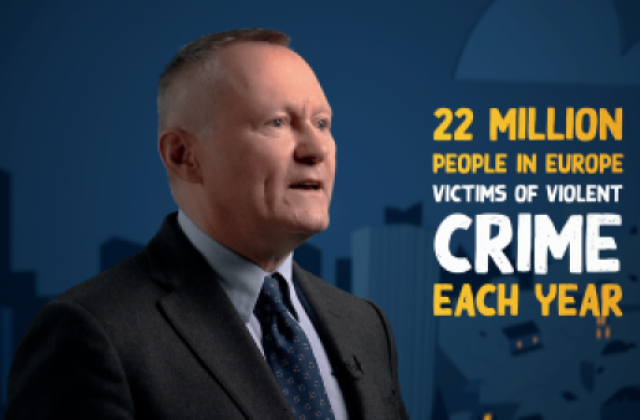
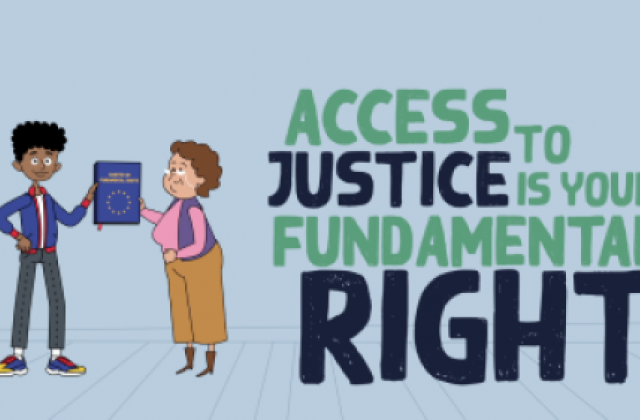
Crime can touch any of us – as witnesses or as victims. But no matter who you are, we all have rights when it comes to justice. These three short clips show some aspects of working together for justice, rights of victims of crime and rights of witnesses of crime.
We don’t all experience crime in the same way, and we might deal with it differently. But it’s vital – as victims or witnesses – that our rights are guaranteed, because access to justice is our fundamental right. Watch FRA Director Michael O’Flaherty speaking on the Fundamental Rights Survey report on crime, safety and victims’ rights.
Crime can touch any of us – as witnesses or as victims. But no matter who you are, we all have rights when it comes to justice. It is for this reason that the European Union Agency for Fundamental Rights asked 35,000 people across Europe about their experiences of crime in its Fundamental Rights Survey, and the results are in.
This is the second main report from FRA’s Fundamental Rights Survey, which collected data from 35,000 people on a range of issues. This report focuses on respondents’ experiences as victims of selected types of crime, including violence, harassment, and property crime. The report also examines how often these crimes are reported to the police, and presents further details relating to harassment and violence, such as the perpetrators and where the incidents took place.
Az FRA mesterséges intelligenciával és alapvető jogokkal kapcsolatos jelentése konkrét példákkal illusztrálja, hogyan használják vagy próbálják használni az MI-t az EU-ban a vállalkozások és a közigazgatások. A jelentés négy kulcsfontosságú területre összpontosít: szociális ellátás, prediktív rendészet, egészségügyi ellátás és célzott marketing. A jelentés megvitatja az alapvető jogokkal kapcsolatos lehetséges hatásokat, és elemzi, hogyan veszik figyelembe ezeket a jogokat az MI-alkalmazások használatakor vagy fejlesztésekor.
Докладът на FRA относно изкуствения интелект и основните права представя конкретни примери за начина, по който дружествата и държавните администрации в ЕС използват или се опитват да използват ИИ. В настоящото резюме се представят основните заключения от доклада. Те могат да послужат за информация при създаване на политики на равнището на ЕС и на национално равнище за регламентиране на използването на инструменти с ИИ в съответствие с правата на човека и основните права.
FRA’s report on artificial intelligence and fundamental rights presents concrete examples of how companies and public administrations in the EU are using, or trying to use, AI. This summary presents the main insights from the report. These can inform EU and national policymaking efforts to regulate the use of AI tools in compliance with human and fundamental rights.
National Human Rights Institutions (NHRIs) are a vital part of the country-level human rights protection system. By raising awareness, providing advice, monitoring and holding authorities to account, they have a central role in navigating the great human rights challenges of our day – tackling both persistent concerns like discrimination and inequality, and novel issues such as the rights implications of artificial intelligence and of the COVID-19 pandemic.