Военната агресия на Русия срещу Украйна доведе до сцени, на които Европа не беше ставала свидетел от десетилетия. Оттогава причинява смърт, огромни разрушения и неописуеми страдания. Тя предизвика и масово движение на хора, невиждано от Втората световна война насам. За да ги защити, ЕС за първи път задейства Директивата за временна закрила. По този начин всички държави — членки на ЕС, трябва да предложат закрила на разселените лица от Украйна.
Vojenská agrese Ruska vůči Ukrajině vyvolala scény, které Evropa neviděla po desetiletí. Od té doby přináší smrt, rozsáhlé ničení a nepopsatelné utrpení. V jejím důsledku se rovněž daly do pohybu obrovské masy lidí, největší od druhé světové války. S cílem ochránit tyto uprchlíky EU poprvé aktivovala směrnici o dočasné ochraně. Všechny členské státy EU jsou tudíž povinny poskytnout osobám vysídleným z Ukrajiny ochranu.
Die militärische Aggression Russlands gegen die Ukraine löste Situationen aus, die in Europa seit Jahrzehnten nicht mehr beobachtet wurden. Die Folgen sind zahlreiche Todesopfer, enorme Zerstörung und unsagbares Leid. Zudem wurde eine Massenbewegung von Menschen in Gang gesetzt, wie es sie seit dem Zweiten Weltkrieg nicht mehr gab. Um die Vertriebenen zu schützen, hat die EU erstmalig die Richtlinie über vorübergehenden Schutz aktiviert. Demnach müssen alle EU-Mitgliedstaaten den aus der Ukraine vertriebenen Personen Schutz bieten.
Russia’s military aggression against Ukraine triggered scenes not seen in Europe for decades. It has since caused death, immense destruction, and unspeakable suffering. It also set in motion a mass movement of people not seen since World War II. To protect them, the EU activated the Temporary Protection Directive for the first time. In doing so, all EU Member States must offer protection to those displaced from Ukraine.
La agresión militar de Rusia contra Ucrania provocó escenas que no se vivían en Europa desde hacía décadas. El conflicto ha causado desde entonces muertes, inmensa destrucción y un sufrimiento indecible. También implicó desplazamientos masivos de población a una escala como no se conocía desde la Segunda Guerra Mundial.
Venemaa sõjaline agressioon Ukrainasse on põhjustanud olukorra, mida ei ole Euroopas aastakümneid esinenud. See on põhjustanud surma, tohutut hävingut ja kirjeldamatuid kannatusi. See käivitas ka inimeste massilise rände, mille sarnast ei ole toimunud teisest maailmasõjast saadik. Põgenike kaitseks aktiveeris EL esmakordselt ajutise kaitse direktiivi. See kohustas kõiki ELi liikmesriike pakkuma Ukraina põgenikele aruandes.
Oroszország Ukrajnával szembeni katonai agressziója Európában évtizedek óta nem látott helyzeteket váltott ki. Halált, hatalmas pusztítást és elmondhatatlan szenvedést okoz. Emellett a II. világháború óta nem látott mértékű tömeges elvándorlást indított el. A lakóhelyüket elhagyni kényszerült személyek védelme érdekében az EU első alkalommal aktiválta az átmeneti védelemről szóló irányelvet. Ezzel összhangban valamennyi uniós tagállam köteles védelmet biztosítani az Ukrajnából menekülőknek.
L’aggressione militare della Russia contro l’Ucraina ha scatenato scenari che l’Europa non viveva da decenni. Da allora ha causato morte, distruzioni massicce e indicibili sofferenze. Ha inoltre innescato spostamenti di massa di persone che non si vedevano dalla seconda guerra mondiale. Per tutelare i profughi, l’UE ha attivato per la prima volta la direttiva sulla protezione temporanea. In tal modo, tutti gli Stati membri dell’UE devono offrire protezione agli sfollati in fuga dall’Ucraina.
Rosyjska napaść zbrojna na Ukrainę była początkiem scen niespotykanych w Europie od dziesięcioleci. Spowodowała śmierć, ogromne zniszczenia i niedające się opisać cierpienie. Wywołała również masowy przepływ ludzi, jakiego nie widziano od czasów drugiej wojny światowej. Aby ich chronić, UE uruchomiła unijną dyrektywę w sprawie tymczasowej ochrony. Tym samym wszystkie państwa członkowskie UE są zobowiązane do zapewnienia ochrony osobom przesiedlonym z Ukrainy.
Agresiunea militară a Rusiei împotriva Ucrainei a declanșat scene nemaivăzute în Europa de zeci de ani. De atunci a cauzat moarte, distrugeri masive și suferințe de nedescris. De asemenea, a declanșat o mișcare în masă de oameni, nemaiîntâlnită de la Al Doilea Război Mondial. Pentru a-i proteja, UE a activat pentru prima dată Directiva privind protecția temporară. Procedând astfel, toate statele membre ale UE sunt obligate să ofere protecție persoanelor strămutate din Ucraina.
FRA’s 2021 survey on Roma was conducted in Croatia, Czechia, Greece, Hungary, Italy, Portugal, Romania, and Spain, as well as in North Macedonia and Serbia. It includes interviews with more than 8,400 Roma, collecting information on more than 20,000 individuals living in their households. This technical report provides a detailed overview of the survey methodology used by FRA when collecting the survey data.
Directive 2012/29/EU represents a milestone in the development of victims’ rights. It establishes minimum standards for the rights, support and protection of victims of crime. It defines the scope of support services, guarantees the right to effective protection against secondary victimisation and comprehensively regulates the measures required for this purpose. This report covers three core components underpinning victims’ rights: support services, crime reporting, and protection from secondary and repeat victimisation. Examples highlight the relevant legal provisions in Member States and how specific rights under the Victims’ Rights Directive work in practice.
National Human Rights Institutions (NHRIs) continue to play a key role in upholding fundamental rights. FRA keeps track of the accreditation status and the mandates of the NHRIs. In 2022, the NHRI in Cyprus was upgraded to an ‘A-status’ institution. In addition, the mandates of six NHRIs changed to include child protection or the protection of LGBTI people.
Artificial intelligence is everywhere and affects everyone – from deciding what content people see on their social media feeds to determining who will receive state benefits. AI technologies are typically based on algorithms that make predictions to support or even fully automate decision-making.
Antisemitic incidents and hate crimes violate fundamental rights, especially the right to human dignity, the right to equality of treatment and the freedom of thought, conscience and religion. This report provides an overview of available data on antisemitism as recorded by official and unofficial sources in the EU Member States and in Albania, North Macedonia and Serbia. The data provided by the countries are supplemented with information from international organisations.
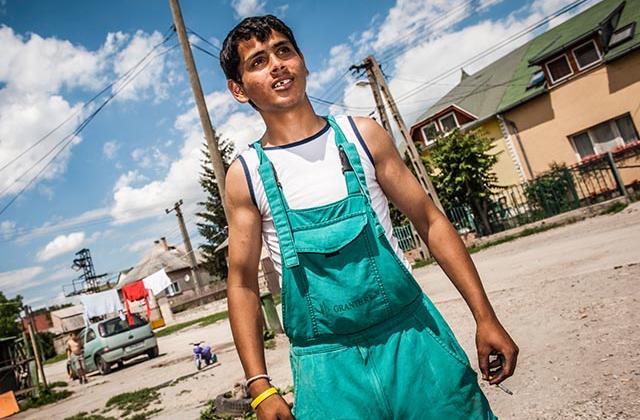
This report presents findings from FRA’s 2021 survey on Roma in Croatia, Czechia, Greece, Hungary, Italy, Portugal, Romania and Spain, as well as in North Macedonia and Serbia. The survey includes interviews with more than 8,400 Roma, collecting information on more than 20,000 individuals living in their households. By focusing on Roma, the survey provides unique data and information that are not available from European general population surveys, which do not disaggregate on grounds of ethnic origin. The findings present a bleak but familiar picture of exclusion, deprivation, discrimination and racism.
The Russian invasion of Ukraine triggered solidarity from EU governments, local authorities and society as they welcomed more than 7 million people fleeing the aggression. The European Union’s rapid response, activating the EU Temporary Protection Directive, offered welcome relief and much-needed support to those in need. It allowed displaced persons the opportunity to quickly settle and to work, travel and access services across the EU. But other pressing human rights issues have come to the fore and remain high on the EU’s agenda, such as human trafficking, sexual and gender-based violence, hate crime and hate-fuelled disinformation.
Η παρακολούθηση της κατάστασης των θεμελιωδών δικαιωμάτων στα εξωτερικά σύνορα της ΕΕ θα πρέπει να είναι συστηματική και τακτική για μια σειρά δραστηριοτήτων διαχείρισης των συνόρων, όπως είναι η επιτήρηση των συνόρων, οι συλλήψεις στα χερσαία, θαλάσσια και εναέρια σύνορα, καθώς και η λειτουργία των μηχανισμών παραπομπής, ακόμη και σε περίπτωση μαζικών αφίξεων. Οι παρούσες γενικές κατευθυντήριες γραμμές έχουν ως στόχο να βοηθήσουν τα κράτη μέλη της ΕΕ να συγκροτήσουν εθνικούς ανεξάρτητους μηχανισμούς για την παρακολούθηση της συμμόρφωσης προς τα θεμελιώδη δικαιώματα στα εξωτερικά σύνορα της ΕΕ, σύμφωνα με την πρόταση κανονισμού για τον έλεγχο διαλογής που ανακοινώθηκε στις 23 Σεπτεμβρίου 2020 από την Ευρωπαϊκή Επιτροπή. Εκπονήθηκαν από τον Οργανισμό Θεμελιωδών Δικαιωμάτων της Ευρωπαϊκής Ένωσης κατόπιν αιτήματος της Επιτροπής.
** As of 19 September 2024 a new version of this guidance has been issued. Please see the link below. **
Fundamental rights monitoring at EU external borders should be systematically and regularly carried out for a range of border management activities. These include border surveillance, apprehensions at land, sea and air borders, and the operation of referral mechanisms, including in the event of mass arrivals. This general guidance provides assistance to EU Member States in setting up national independent mechanisms to monitor fundamental rights compliance at EU external borders, in line with the proposed screening regulation of 23 September 2020 by the European Commission. The EU Agency for Fundamental Rights prepared this guidance at the request of the Commission.