La Convenzione europea dei diritti dell’uomo (CEDU) e il diritto dell’Unione europea (UE)
forniscono un quadro di riferimento sempre più importante per la protezione dei diritti degli
stranieri. La legislazione dell’UE in materia di asilo, frontiere e immigrazione è in rapido sviluppo.
Esiste un cospicuo corpus di giurisprudenza formato dalla Corte europea dei diritti
dell’uomo (Corte EDU) riguardante, in particolare, gli articoli 3, 5, 8 e 13 CEDU. La Corte di
giustizia dell’Unione europea (CGUE) è chiamata con sempre maggiore frequenza a pronunciarsi
sull’interpretazione delle disposizioni legislative dell’UE in quest’ambito. La presente
terza edizione del manuale, aggiornata a luglio 2020, presenta in modo accessibile la legislazione
dell’UE e la giurisprudenza delle due corti europee, è rivolto a professionisti legali,
giudici, pubblici ministeri, funzionari dell’immigrazione e organizzazioni non governative
negli Stati membri dell’Unione europea e del Consiglio d’Europa.
This report outlines some of the measures EU Member States have put in place to protect public health as Europe faces the ‘second wave’ of the Coronavirus pandemic. It highlights how these may affect fundamental rights, especially social rights.
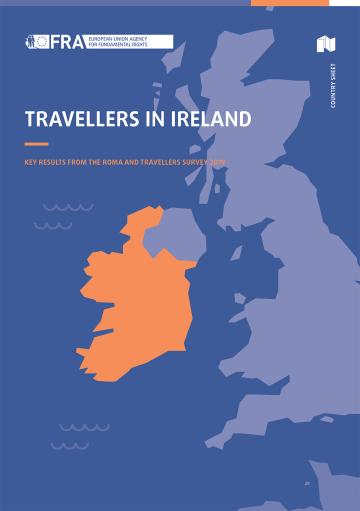
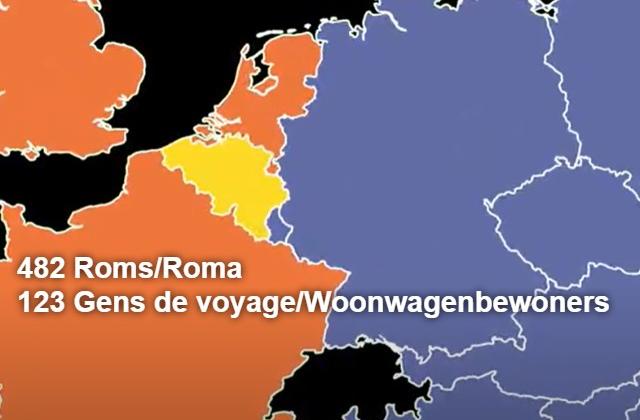
Roma and Travellers living in western EU countries are less often in the limelight than those living in central, eastern and southern EU countries. While they represent a smaller proportion of the population in the west, they also face problems with social exclusion, marginalisation and discrimination. These country sheets present findings from the survey conducted by FRA in 2019 covering Roma and Travellers populations in Belgium, France, Ireland, the Netherlands, Sweden and the United Kingdom. The survey included interviews with almost 4,700 Roma and Travellers, collecting information on more than 8,200 individuals living in their households.
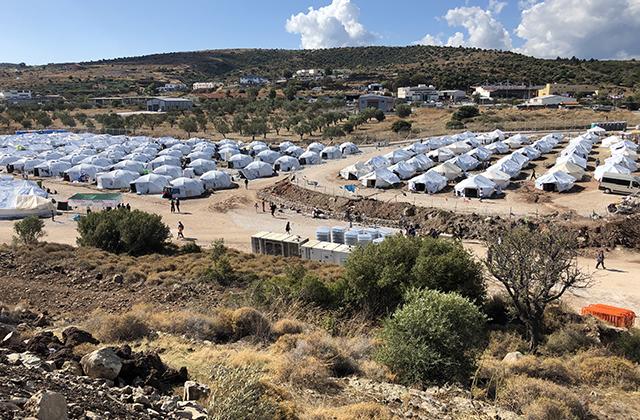
The EU Agency for Fundamental Rights has been regularly collecting data on asylum and migration since September 2015. This report focuses on the fundamental rights situation of people arriving in Member States and EU candidate countries particularly affected by migration. It addresses fundamental rights concerns between 1 July and 30 September 2020.
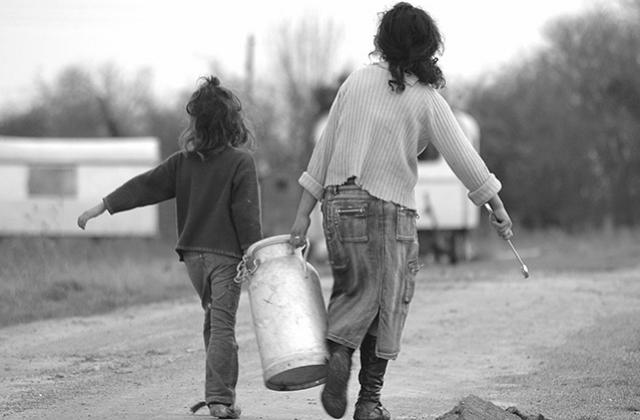
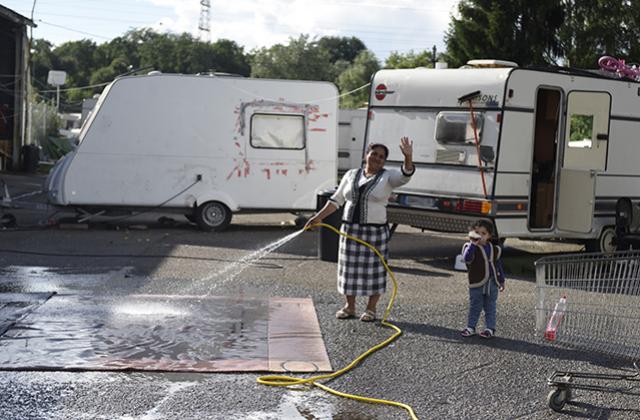
Often living in substandard and overcrowded housing conditions, Roma and Travellers face an increased risk of contracting COVID-19. They are also disproportionately affected by measures taken to contain the virus. This FRA Bulletin takes a closer look at this reality in 15 EU Member States, focusing on education; employment; poverty; healthcare; housing; and anti-Gypsyism. It also outlines civil society efforts to tackle the diverse challenges triggered by the Coronavirus pandemic.
This report presents findings from FRA’s 2019 survey on Roma and Travellers in Belgium, France, Ireland, the Netherlands, Sweden and the United Kingdom. The survey included interviews with almost 4,700 Roma and Travellers, collecting information on more than 8,200 individuals living in their households.
Le rapport présente les conclusions issues de l’enquête de l’Agence des droits
fondamentaux de l’Union européenne (FRA) de 2019 sur la situation des Roms et
des Gens du voyage en Belgique, en France, en Irlande, aux Pays-Bas, en Suède et
au Royaume-Uni. L’enquête comportait des entretiens avec près de 4 700 Roms et
Gens du voyage, et a recueilli des informations concernant plus de 8 200 personnes
vivant dans leurs ménages.
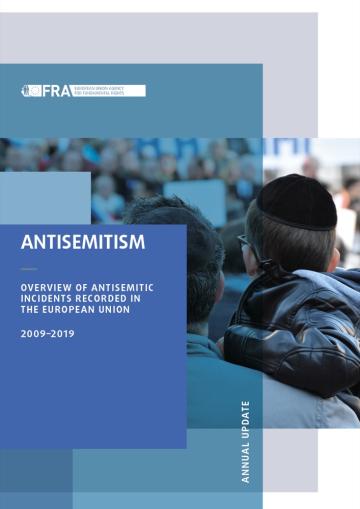
Antisemitism can be expressed in the form of verbal and physical attacks, threats, harassment, discrimination and unequal treatment, property damage and graffiti or other forms of speech or text, including on the internet. Antisemitic incidents and hate crimes violate fundamental rights, especially the right to human dignity, the right to equality of treatment and the freedom of thought, conscience and religion.
National Human Rights Institutions (NHRIs) are a vital part of the country-level human rights protection system. This report, published 10 years after FRA’s first in-depth study on NHRIs, looks at such bodies in the EU, as well as the Republic of North Macedonia, the Republic of Serbia, and the United Kingdom of Great Britain and Northern Ireland. It explores relevant developments, challenges to their effectiveness and ways to maximise their impact.
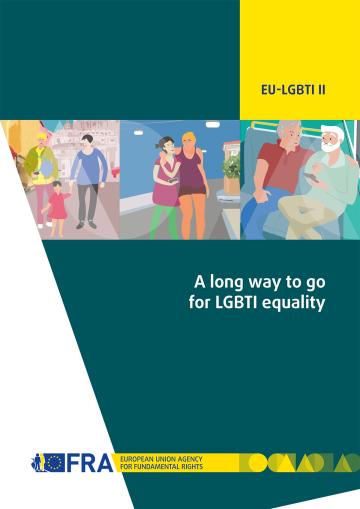
FRA’s second survey on LGBTI people in the EU, North Macedonia and Serbia surveyed almost 140,000 participants. This technical report presents a detailed overview of the survey methodology used by FRA when collecting the survey data.
As we enter the second half of 2020, the constraints on our daily lives brought about by the Coronavirus pandemic have become a firm reality. New local lockdowns and the reintroduction of restrictive measures prompted by fresh outbreaks of the virus are a stark reminder that COVID-19 continues to shape our lives – and our enjoyment of fundamental rights – in profound ways. There is compelling evidence of how the pandemic has exacerbated existing challenges in our societies. This FRA Bulletin outlines some of the measures EU Member States adopted to safely reopen their societies and economies while continuing to mitigate the spread of COVID-19. It highlights the impact these measures may have on civil, political and socioeconomic rights.
This paper presents key findings from FRA’s second consultation of its Fundamental Rights Platform, focusing on the experiences of civil society organisations (CSOs) working on human rights. FRA started an annual consultation with organisations participating in its platform in 2018.
The EU Agency for Fundamental Rights has been regularly collecting data on asylum and migration since September 2015. This report focuses on the fundamental rights situation of people arriving in Member States and EU candidate countries particularly affected by migration. It addresses fundamental rights concerns between 1 April and 30 June 2020.
Настоящото ръководство е предназначено за служителите по управление на границите в държавите — членки на Европейския съюз, които работят на оперативно ниво. То има за цел да подпомогне ежедневната им работа по прилагането на гаранциите за основните права, предвидени в Кодекса на шенгенските граници (Регламент (ЕС) № 2016/399), и свързаните с него законодателни актове.
Tyto pokyny jsou určeny pracovníkům správy hranic v členských státech EU, kteří pracují na operativní úrovni. Jejich cílem je pomoci těmto pracovníkům při jejich každodenní práci provádět záruky dodržování základních práv stanovené Schengenským hraničním kodexem (nařízení (EU) 2016/399) a souvisejícími právními předpisy EU.
Denne vejledning er til grænseforvaltningsmedarbejdere i EU’s medlemsstater, der arbejder på det operationelle plan. Den er beregnet som en hjælp i det daglige arbejde i forbindelse med at gennemføre beskyttelsen af grundlæggende rettigheder i Schengengrænsekodeksen (forordning (EU) 2016/399) og tilhørende EU-lovgivning.
Dieser Leitfaden richtet sich an Grenzschutzpersonal in den Mitgliedstaaten der Europäischen Union (EU), das auf operativer Ebene tätig ist. Ziel ist die Unterstützung des Grenzschutzpersonals bei der Umsetzung der Grundrechtsgarantien des Schengener Grenzkodexes (Verordnung (EU) 2016/399) und des damit verbundenen EU-Rechts bei seiner täglichen Arbeit.
Η παρούσα καθοδήγηση απευθύνεται στο προσωπικό διαχείρισης των συνόρων των κρατών μελών της Ευρωπαϊκής Ένωσης (ΕΕ) που εργάζεται στο επιχειρησιακό επίπεδο. Αποσκοπεί στο να τους βοηθήσει να εφαρμόζουν, στο πλαίσιο της καθημερινής άσκησης των καθηκόντων τους, τις εγγυήσεις των θεμελιωδών δικαιωμάτων του κώδικα συνόρων του Σένγκεν [κανονισμός (ΕΕ) αριθ. 2016/399] και του συναφούς δικαίου της ΕΕ.
This practical guidance addresses border-management staff in European Union (EU) Member States who work at the operational level. It aims to support them in implementing the fundamental rights safeguards of the Schengen Borders Code (Regulation (EU) No. 2016/399) and related EU law instruments in their daily work, when carrying out controls at external land borders.